7 Max for Live Devices Worth Buying in 2026
We love picking up a new Max for Live device and seeing what it can do. There are high-quality utilities that can improve your workflow, instruments that open up new creative possibilities, and weird toys that are just fun to spend an afternoon with.
This is a curated list of some of our favorite Max for Live devices. All of them are well-built, do something specific and do it well, and are worth paying for.
Stranular by Kentaro
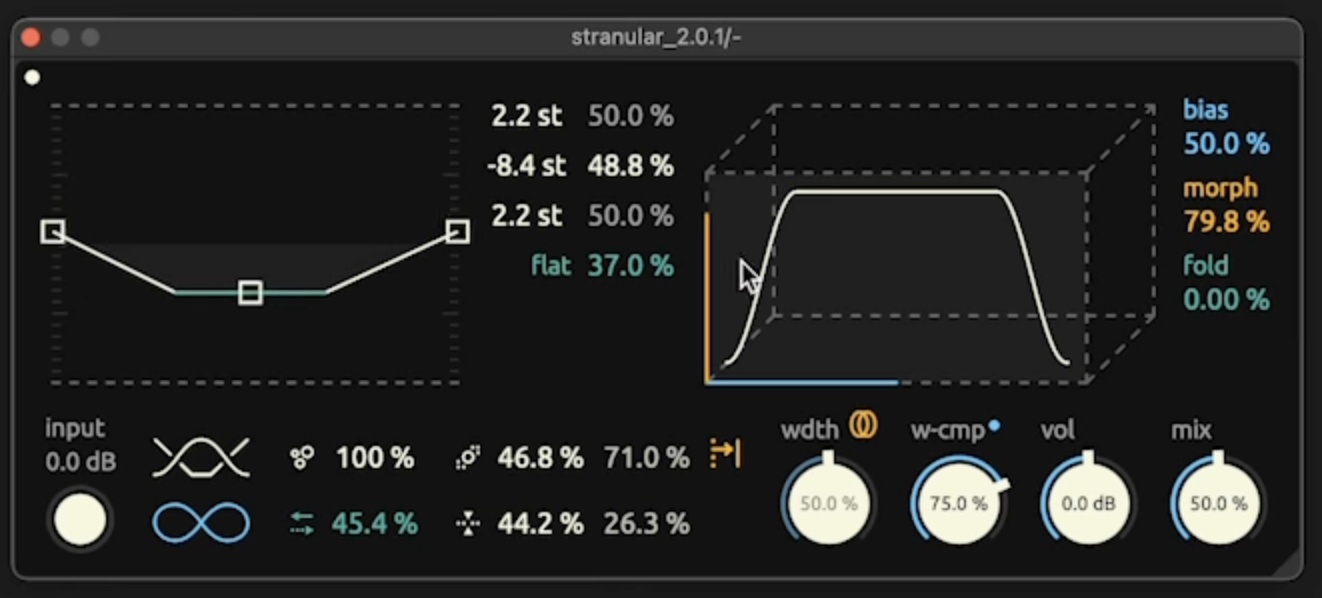
Stranular is an incredibly intuitive granular processor. The main interface supports click-and-drag for all parameters, which means you can sculpt sounds in real time without fiddling with a modular-style routing system. It can generate over a hundred simultaneous grains, which gives it enough density to create convincing textural beds from any input source.
The pitch envelope allows ±24 semitones of modulation per grain, which means you can take a simple sine wave and turn it into something that resembles a pitched percussion hit. All parameters are modulatable, including the freeze switch itself, so it integrates naturally with Ableton's LFO and automation. The package also includes Stranular-ext01, a companion device for attack-triggered granular scanning that syncs grain playback to your session BPM.
Price: $70 · kentaro.tools
MIDIseq by Reclaimed BCN

MIDIseq is a seriously wild step sequencer. It runs 8 independent MIDI channels simultaneously, each with up to 64 steps, and each step can carry an independent set of trig locks, probability, microtiming, ratchets, velocity, and parameter slides, all applied simultaneously. This is the kind of per-step control that's normally associated with hardware sequencers like the Elektron boxes, and you can use it inside Live.
The modulation capabilities extend beyond MIDI notes. MIDIseq can target any controllable parameter in your Live session at audio rate, with independent clock dividers, last-step settings, and resync options per channel. The result is a device that can generate both precise, locked grooves and chaotic polymetric patterns depending on how you configure it.
Price: €48 · reclaimedbcn.com
Concentrate by MANY HEADS
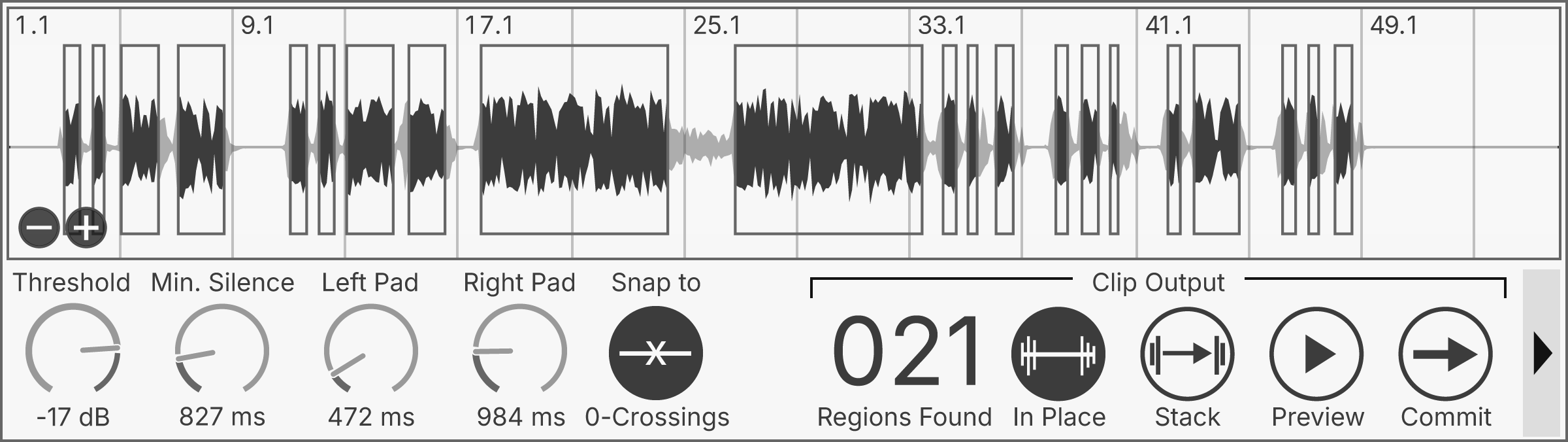
We cannot help but recommend our own device, Concentrate, which is a fully-featured silence remover for Ableton Live.
This is the the dead air remover and audio silence cutter that fills the gap Ableton has never addressed. Drop it on any audio track in Arrangement View, select a clip, and it performs threshold-based RMS analysis for automatic silence detection, highlighting kept regions in the waveform display so you can preview regions before you commit any changes.
The parameter set is precise: Threshold, Min. Silence (to prevent splitting on short dips), Left Pad and Right Pad (for natural attacks and tails), and Snap to Zero Crossings (to eliminate clicks at cut points). The device applies changes to an audio clip in arrangement view, and can preserve the original arrangement timing for vocals or interview cleanups, or ollapses kept regions consecutively for sample prep, drum chop prep, one-shot prep, and loop trimming. Every commit is non-destructive and fully undoable.
If you record live instruments, clean up vocal stems, prep samples for Simpler and Sampler, you might want to try it.
Price: $14 · manyheads.dev
Sting 2 by Iftah
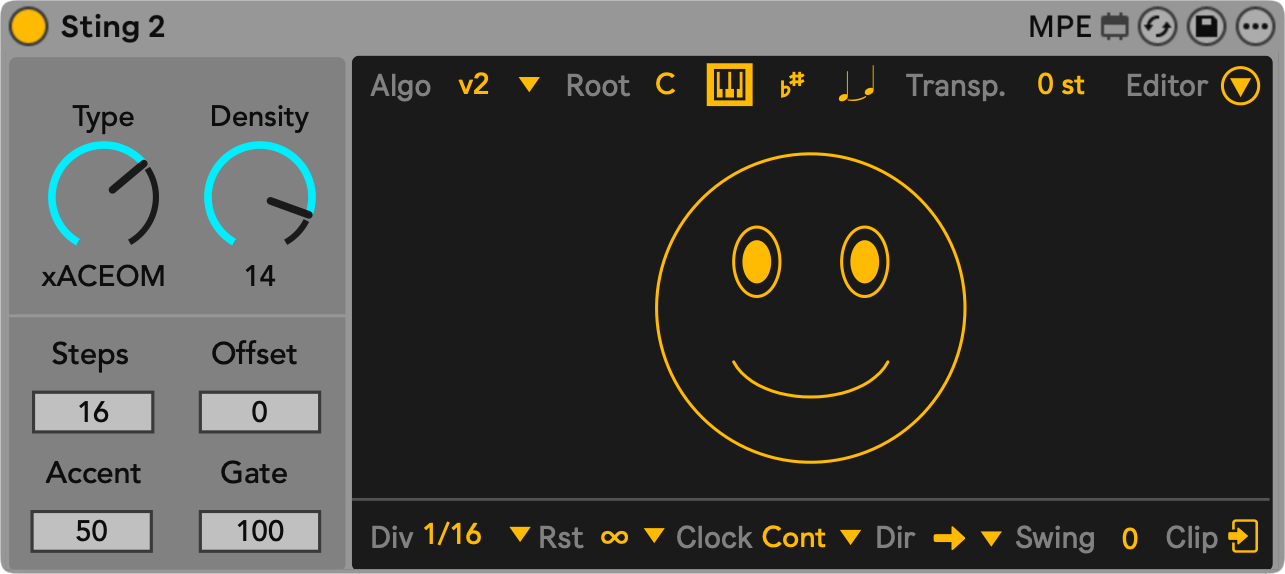
Sting 2 is an acid line performance sequencer that is great for live performance. It can generate anything from structured acid patterns to fully random sequences, and it can morph between them in real time, which can be fun (and maybe a little scary) for live performance.
The Push 2 and Push 3 integration is deep and well-designed. In Push's takeover mode, Sting 2 maps to the pads and encoders; you can tweak probability, pitch, and pattern structure live without touching the mouse.
Price: €25 (free version available) · if-tah.com
Orbit by Rainbow Circuit
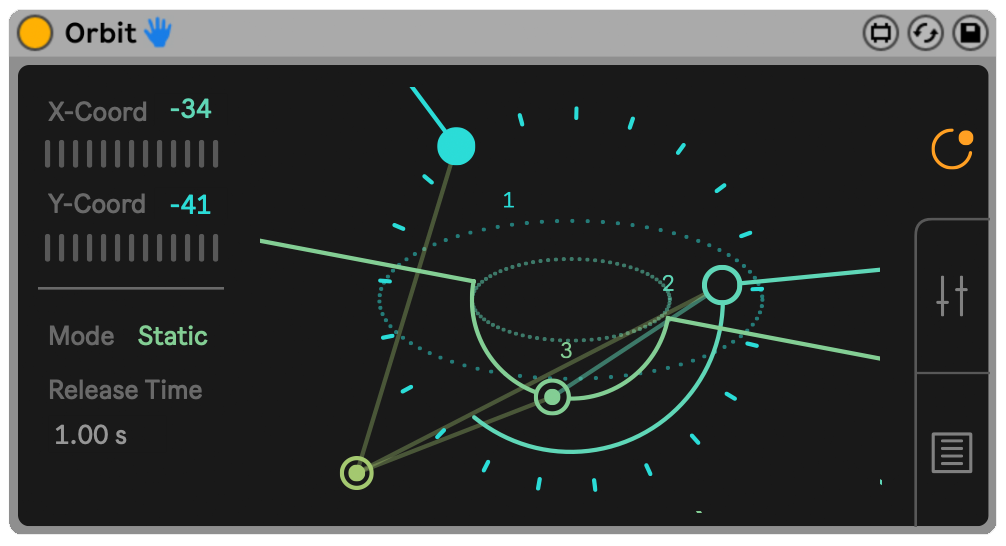
Orbit is a modulation source that generates control signals from three interacting sine-wave oscillators, called orbs, each with independent rate, phase, and amplitude. The three orbs produce five distinct control signals that can be mapped to any modulatable parameter in your Live session, which gives it a surprisingly wide range of motion despite its minimal interface.
The main interface is an X/Y pad that scales amplitude on one axis and rate on the other, which makes it easy to sweep the character of the modulation in real time. A sample-and-hold circuit and a logic gate let you shape the control signals further into stepped or conditional patterns. The rates can sync to Live's transport or run freely, making Orbit useful for both locked, rhythmic modulation and drifting, ambient motion. At $20, it's an underpriced tool for producers who want organic movement in their sounds without patching a modular setup.
Price: $20+ · Rainbow Circuit on Gumroad
AS D-Delay by Sabroi
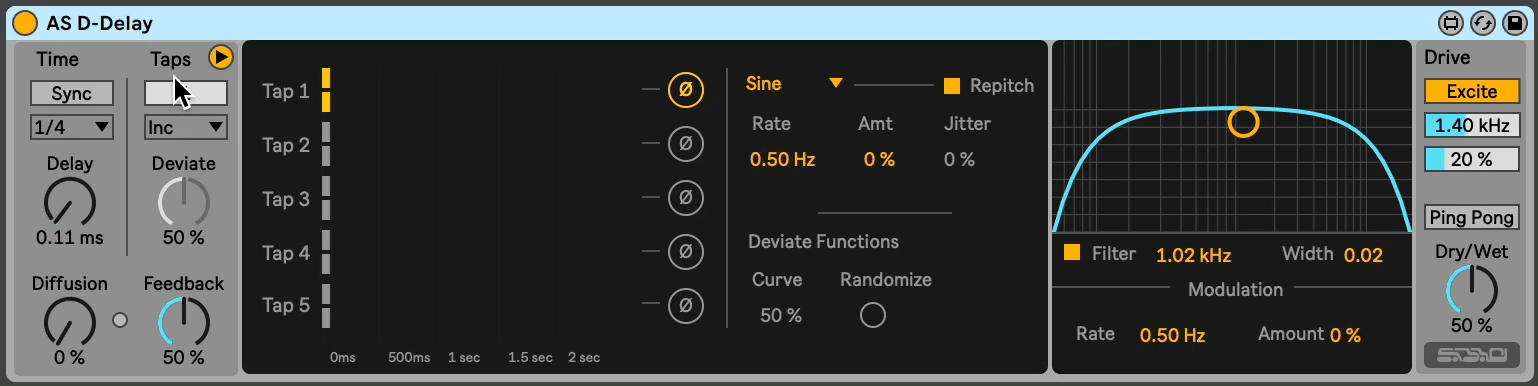
AS D-Delay is described as a multi-tap delay that morphs between effects categories, and that description undersells how strange and useful it is. In practice it moves fluidly across the territory of standard delay, flanger, chorus, resonator, reverb, and granulation depending on how you configure the tap structure and modulation. The transitions between these modes aren't abrupt; the device's internal routing allows for cool hybrid textures.
Price: See listing · Sabroi on Gumroad
Dyad by Fors
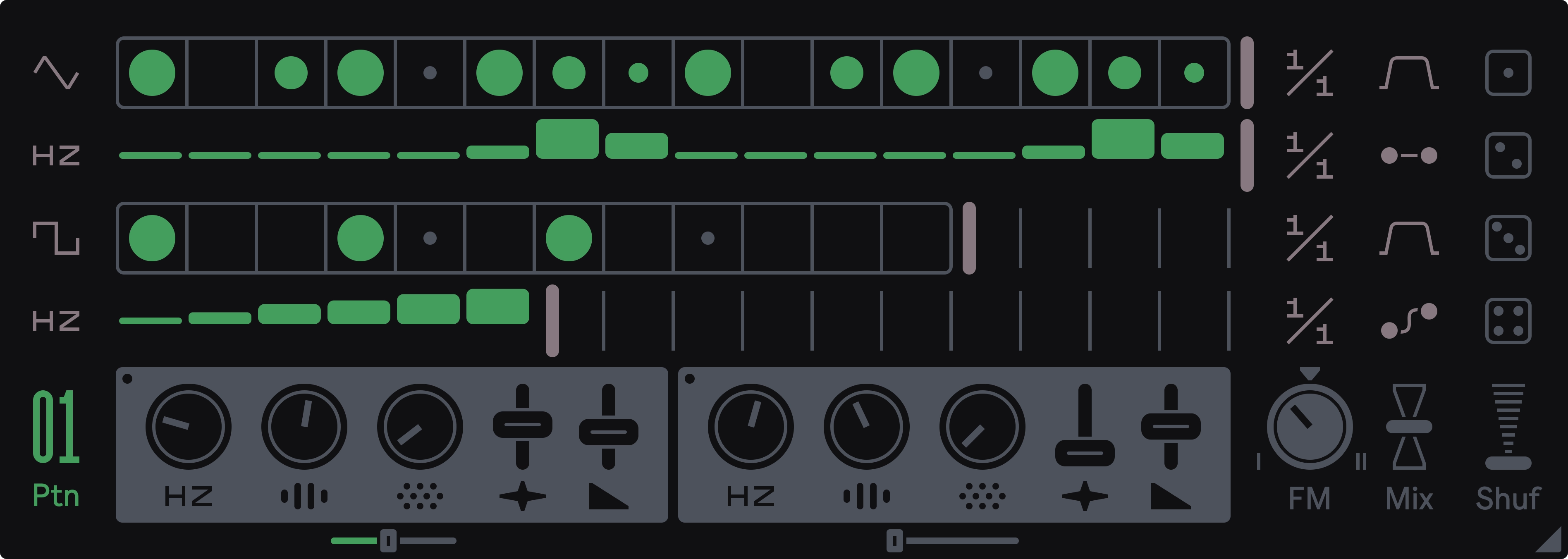
If you own a Push 2 or Push 3, you should also own Dyad. It's a wonderfully weird twin percussion synthesizer and sequencer. Go to the Fors website and watch some videos to see it in action; you will probably want to buy it if you do.
This is the kind of instrument that you can just vibe out with for a few hours, or build an entire ablbum around.
Price: $39 · fors.fm
Finding More Good M4L Devices
The best places to find quality M4L devices beyond this list are maxforlive.com (the official device library, which includes both free and paid options), Gumroad (where many independent developers publish), and individual developer sites. When evaluating a new device, look for one that has a clear demo video showing real-world use, a manual or documentation, and a developer who responds to support questions. The M4L ecosystem rewards patience and specificity; the best devices are usually those built to solve one specific problem extremely well, not the ones promising to do everything.